Ecklonia Maxima
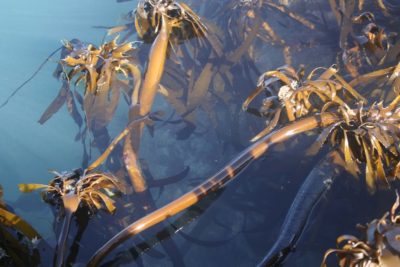
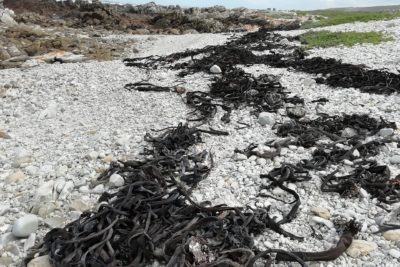
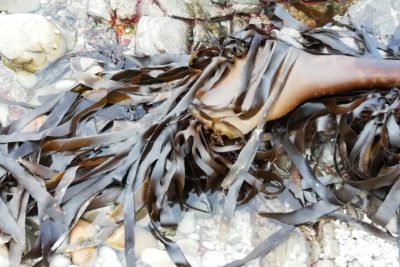
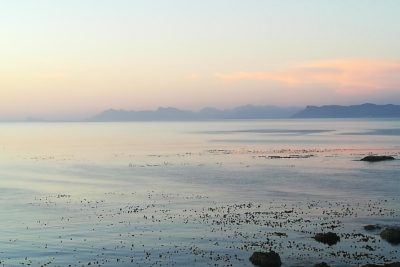
Ecklonia maxima, or brown kelp, grows prolifically along the southern and western coastlines of South Africa and is fed by the nutrient rich cold Benguela current that runs north from the Antarctic. This cold, turbulent current causes upwelling which feeds the kelp forests and results in the high nutrient content of the seaweed. Because of the dense forests in some areas the kelp fight for light and grow extremely quickly (sometimes up to half a meter a day). Plants attach themselves to a rock on the sea bed by a holdfast which looks similar to an external root. The stipes (stems) grow toward the light and the fronds (leaves) are found at the top of the plant and can generally be seen floating on the surface of the ocean soaking up the sun. Due to its natural and constant filtration, our West Coast kelp beds remain pure, unlike many others in the world that are contaminated by pollutants.
Ecklonia maxima contains micro and macro nutrients and the full range of amino acids. Of the seaweeds, Ecklonia maxima has the highest concentration of plant growth stimuli which makes this plant so beneficial. The natural hormones are readily available in the fronds and are easily taken up by land plants. The growth hormones, namely auxins and cytokinins are present.
Ecklonia maxima is used for the making of natural fertilizers, for use in cosmetics, as dietery supplements for humans and animals and as food stabilizers (alginate extraction).